Divine Canvas: Unveiling the Beauty of Lord Shiva Through Art
In the realm of spirituality and art, few figures capture the essence of divine beauty like Lord Shiva. Revered as the destroyer and transformer, Shiva is a central figure in Hinduism, embodying a complex interplay of creation and destruction. The images of Lord Shiva often reflect his multifaceted nature, showcasing him as a yogi immersed in deep meditation, a cosmic dancer celebrating the rhythms of the universe, or a loving father guiding his children. Each representation not only tells a story but also invites the viewer to delve into the profound meanings behind these artistic expressions.
The visual manifestations of Lord Shiva have inspired countless artists across cultures and centuries. From ancient sculptures carved in stone to vibrant paintings that bring his divine presence to life, these images serve as a bridge connecting the material world with the spiritual. As Lord Shiva Images explore the beauty of Lord Shiva through art, we uncover layers of symbolism and mythology, revealing how these images resonate with devotees and art enthusiasts alike. Through this divine canvas, we can appreciate the timeless allure of Lord Shiva, honoring his significance in the spiritual landscape and the artistic imagination.
The Symbolism of Lord Shiva in Art
The portrayal of Lord Shiva in art captures the essence of his complex character and profound symbolism. Often depicted in a meditative state, Shiva represents the ultimate yogi, embodying tranquility and inner peace. His serene expression invites viewers to reflect on their own spiritual journey and the quest for enlightenment. Artistic representations of Shiva, whether in sculpture or painting, serve as a reminder of the importance of stillness and contemplation in a chaotic world.
Shiva is frequently shown adorned with symbolic elements that add layers of meaning to his representation. The crescent moon on his head signifies the passage of time and the cyclical nature of life, while the snake entwined around his neck symbolizes the control of desires and ego. Artists utilize colors and forms to highlight these attributes, creating a visual language that speaks to the viewer's understanding of spirituality and the universe. Each image of Lord Shiva becomes an invitation to delve deeper into the mysteries of existence.
Furthermore, the diversity in Lord Shiva images across various cultures showcases the universal nature of his symbolism. From the fierce and dynamic depictions found in Tantric art to the serene representations in traditional Indian paintings, each rendition captures different aspects of Shiva's persona. lord shiva images reflects cultural interpretations but also emphasizes Shiva's role as the destroyer and transformer, reminding us that destruction is a precursor to creation. Through art, Lord Shiva continues to inspire and resonate with devotees and art lovers alike.
Famous Artistic Representations
Throughout history, Lord Shiva has been depicted in various artistic forms, each showcasing different aspects of his multifaceted personality. lordshivaimages of the most renowned representations is the Nataraja, which captures Shiva in a dynamic cosmic dance, symbolizing the cycle of creation and destruction. This iconic image is celebrated for its complexity, with intricate details that reflect both movement and spirituality. The dance of Nataraja is more than just a visual feast; it represents the rhythm of the universe and showcases Shiva as the ultimate source of energy.
Another significant representation can be found in the sculptures of Shiva in meditation, often depicted seated in a serene posture. These images highlight the deeply spiritual aspect of Shiva, emphasizing tranquility and enlightenment. They often feature elaborate backgrounds that enhance the meditative theme, with symbols such as the crescent moon and the river Ganges flowing from his hair, signifying purity and divine wisdom. Artists excel at capturing the peaceful essence of Shiva in these works, inviting viewers to reflect on their own spiritual journeys.
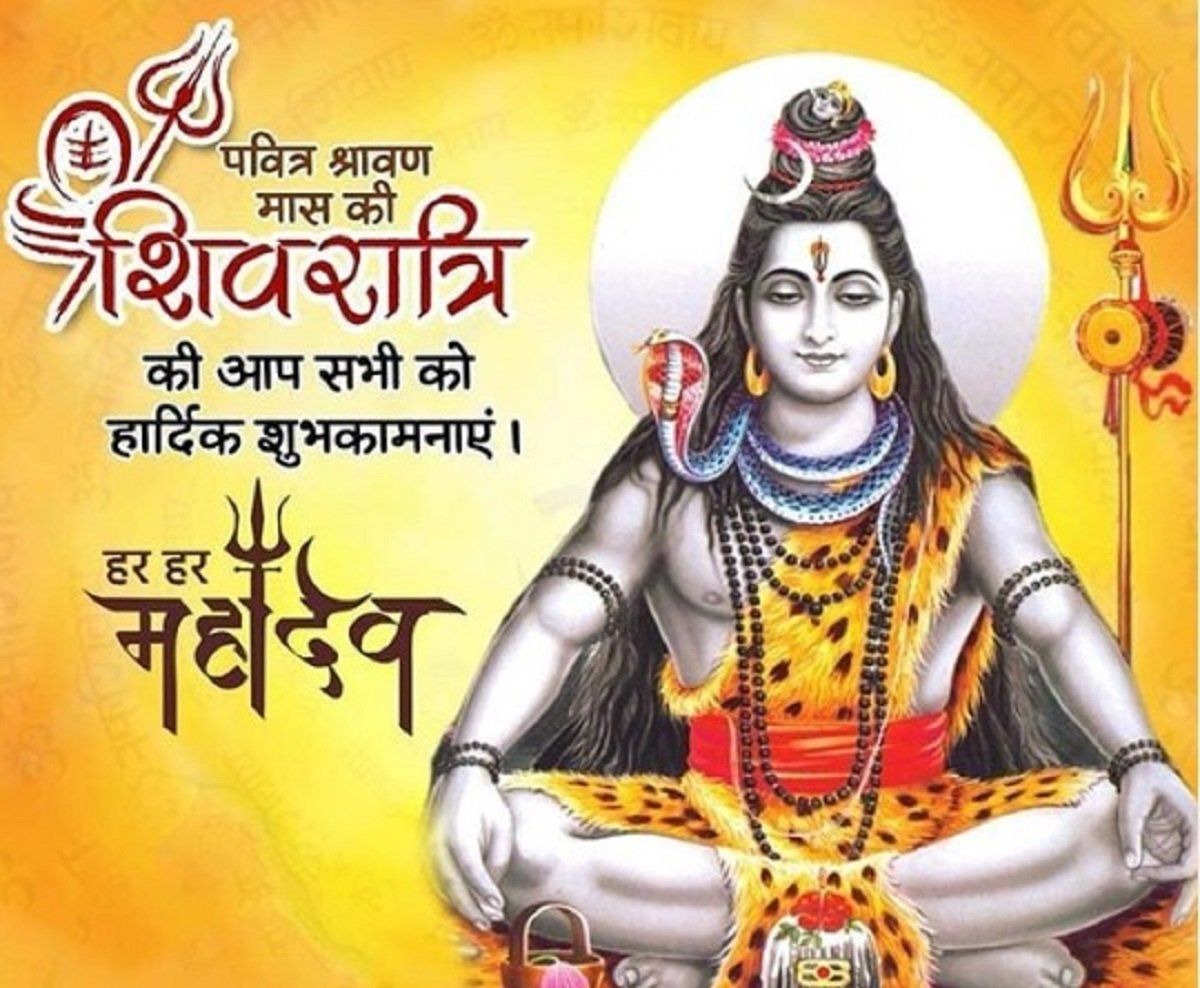
Additionally, modern interpretations of Lord Shiva have emerged, blending traditional motifs with contemporary styles. These artworks often incorporate vibrant colors and abstract forms while still honoring the traditional iconography associated with Shiva. Artists today explore themes of transformation and duality, illustrating Shiva's role not only as a destroyer but also as a creator and a nurturer. These innovative representations create a dialogue between ancient beliefs and modern artistic expression, allowing Shiva to resonate with new generations.
The Impact of Shiva Art on Culture
The depiction of Lord Shiva in art has profoundly influenced various cultures across the world. From ancient temples to modern digital illustrations, Shiva images serve as a bridge connecting the spiritual and the artistic. Artists often draw inspiration from the rich mythology surrounding Lord Shiva, incorporating symbols such as the trident, the crescent moon, and the sacred river Ganga. These elements not only beautify spaces but also invite viewers to delve deeper into the stories and philosophies that Shiva embodies.
Artistic representations of Shiva can be found in diverse mediums, including sculpture, painting, and dance. Each form expresses different aspects of his personality, from the serene meditator to the fierce destroyer of evil. In many communities, these images play a crucial role in religious and cultural practices, fostering a sense of identity and continuity. The celebration of festivals like Maha Shivaratri is enhanced by these visual portrayals, as communities gather to worship and appreciate the divine essence that Shiva represents.
Moreover, the global appeal of Lord Shiva images transcends geographical and cultural boundaries, making him a symbol of unity and resilience. Contemporary artists continue to reinterpret traditional themes, allowing for a dialogue between the past and the present. This ongoing evolution of Shiva art not only enriches cultural landscapes but also encourages individuals to explore the deeper meanings behind these exalted representations, weaving a tapestry that celebrates spirituality through the lens of creativity.